That sharp ache on the outside of your elbow usually does not start with one dramatic moment. More often, it creeps in after weeks of lifting shopping bags, gardening, using tools, working at a desk, or getting back into tennis or golf after a break. If you are wondering how to recover from tennis elbow, the good news is that most people do improve – but the fastest path is rarely total rest or just waiting it out.
Tennis elbow, also called lateral elbow pain, happens when the tendons that help lift your wrist and grip objects become irritated and overloaded. Despite the name, plenty of people who have never picked up a racquet get it. We see it often in adults over 40 because tendons tend to become a bit less tolerant of sudden increases in load, especially if strength, sleep, recovery, or work demands are not ideal.
What tennis elbow actually needs to settle
A sore tendon usually needs two things at the same time – less aggravation and better capacity. That balance matters. If you keep pushing through sharp pain every day, the tendon stays irritated. But if you stop using the arm completely for too long, the tendon and forearm muscles can become weaker and more sensitive.
This is where many people get stuck. They either try to battle on and hope it disappears, or they rest for weeks and are frustrated when the pain returns the moment they carry a heavy bag or open a jar. Recovery works better when you reduce the irritating tasks enough to calm things down, then steadily rebuild strength so the elbow can tolerate normal life again.
How to recover from tennis elbow in the early stage
In the first few weeks, your main goal is to settle the pain without becoming overly protective of the arm. That usually means adjusting, not avoiding, your day.
Try to ease off repeated gripping, lifting with your palm facing down, or straight-arm lifting that triggers the pain. If carrying shopping or a laundry basket hurts, keep the elbow bent and hold the load closer to your body. If typing or mouse use stirs it up, short breaks and a better desk setup can help. If gardening, DIY, or racquet sports brought it on, you may need a temporary change in volume, not necessarily a complete stop forever.
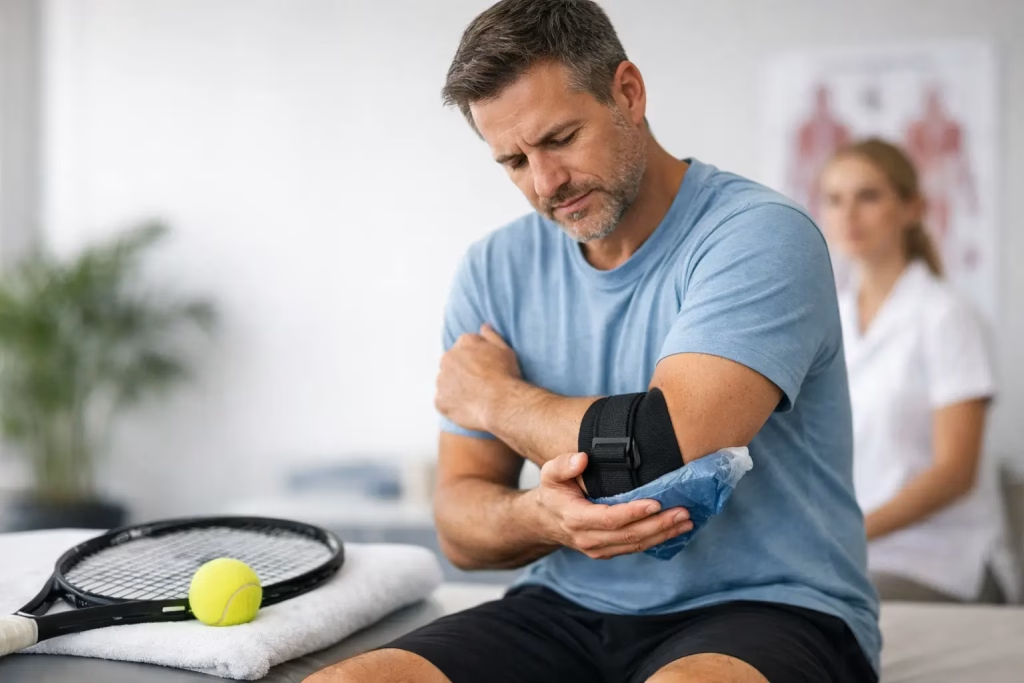
Ice can help some people in the short term, especially after a flare-up, but it is not a fix by itself. A brace or elbow strap may also reduce pain during certain tasks. That can be useful, but it should support recovery rather than replace it. If the elbow only feels manageable when strapped, the underlying tendon still needs work.
Pain relief matters because it helps you use the arm more normally. But the long-term change usually comes from progressive exercise.
Why strengthening matters more than resting
Tendons respond well to the right amount of load. Not too much, not too little. A guided strength program helps the tendon become less sensitive and more resilient, which is why exercise-based rehabilitation tends to be one of the most effective approaches.
Early on, simple isometric exercises can help. These are muscle contractions where you hold steady without much movement. For tennis elbow, that often means gently loading the wrist extensors – the muscles on the top side of the forearm – in a way that is tolerable. If pain spikes and lingers for hours afterwards, the load is probably too high. If it feels easy and changes nothing after a week or two, it may be too low.
As symptoms settle, you usually progress to slow, controlled strengthening through range. That can include wrist extension work, grip strengthening, and later on, more functional movements that match what you need in daily life. For someone who plays tennis, that may include racquet-specific loading. For someone whose pain comes from work, it might mean better tolerance for gripping tools, carrying, or repetitive hand use.
This is one reason generic online advice can fall short. Two people can both have tennis elbow but need very different plans depending on what caused it, how irritable it is, and what they need to get back to.
How long does it take to recover?
This is the question almost everyone asks, and the honest answer is that it depends. Mild cases caught early may improve within a few weeks. More stubborn cases that have been lingering for months often take longer, sometimes several months, especially if the tendon has been repeatedly flared up.
Age alone does not stop recovery, but over-40s often do better with a plan that respects recovery time, current strength, sleep, work demands, and any neck or shoulder stiffness that may be adding extra strain to the arm. The aim is not just to reduce pain this week. It is to stop the cycle of improving, then flaring again every time life gets busy.
A useful guide is to watch your pain over 24 hours, not just in the moment. A little discomfort during exercise can be acceptable. A clear spike that lasts into the next day usually means the load was too aggressive.
Common mistakes that slow tennis elbow recovery
The biggest mistake is doing nothing except resting and hoping. Tendons rarely regain full tolerance that way. The second is the opposite – keeping up all the painful tasks because you do not want to lose fitness or fall behind at work.
Another common issue is treating only the sore spot. The elbow matters, but so do the wrist, shoulder, upper back, and how you move. If your shoulder is weak or stiff, the forearm can end up doing more than its fair share. If your work setup keeps your wrist extended for hours, that ongoing load can keep feeding the problem.
People also often stretch aggressively because the forearm feels tight. Gentle stretching may help some, but heavy stretching into pain can irritate the tendon more, particularly when symptoms are already reactive.
When to get professional help
If your pain has lasted more than a few weeks, keeps returning, or is affecting sleep, work, exercise, or basic tasks like lifting the kettle, it is worth getting it properly assessed. The same applies if you are losing grip strength, getting pain into the forearm regularly, or are no longer confident using that arm.
A good physiotherapy assessment looks at more than just your elbow. It should identify what is being overloaded, what your tendon can currently tolerate, and what needs to change so recovery lasts. That might include hands-on treatment to settle pain, specific strengthening, advice on modifying aggravating tasks, and a clear progression back to normal activity.
For adults who want to stay active and independent, personalised care matters. A rushed, one-size-fits-all handout is rarely enough for a condition that can easily become stubborn. At Growing Younger Physiotherapy, this is exactly where one-to-one treatment and an exercise plan tailored to your stage of recovery can make a real difference.
What treatment can help alongside exercise?
Exercise is usually the backbone of recovery, but it is not the only part. Hands-on physiotherapy can help reduce pain and improve movement in the short term, making it easier to load the tendon well. In some cases, acupuncture may also help settle symptoms, particularly when pain is persistent and stopping you from using the arm normally.
Taping or bracing can be useful for selected activities. So can advice around pacing, sleep position, work setup, and returning to sport. What matters is that these tools support the plan rather than becoming the plan.
If symptoms are severe or not progressing as expected, further medical review may be appropriate to rule out other causes of elbow pain. Not every sore outer elbow is a straightforward tendon issue, which is another reason assessment matters when progress stalls.
Getting back to normal without another flare-up
Once the pain settles, the job is not quite finished. This is the stage where many people feel better, stop their exercises, then wonder why the elbow returns after a busy weekend or a few hard sessions back on court.
Recovery is more reliable when your return matches your current capacity. Increase one thing at a time – load, duration, or intensity – instead of all three together. Keep some forearm and shoulder strength work in your routine for a while, even after symptoms improve. That is especially important if you have had tennis elbow before.
If you are trying to work out how to recover from tennis elbow, think less about quick fixes and more about rebuilding trust in the arm. Tendons generally respond well when you respect the irritation, load them properly, and give them enough time to adapt. With the right plan, most people can get back to carrying, gardening, training, and living normally again – without that nagging outer elbow pain running the show.
