
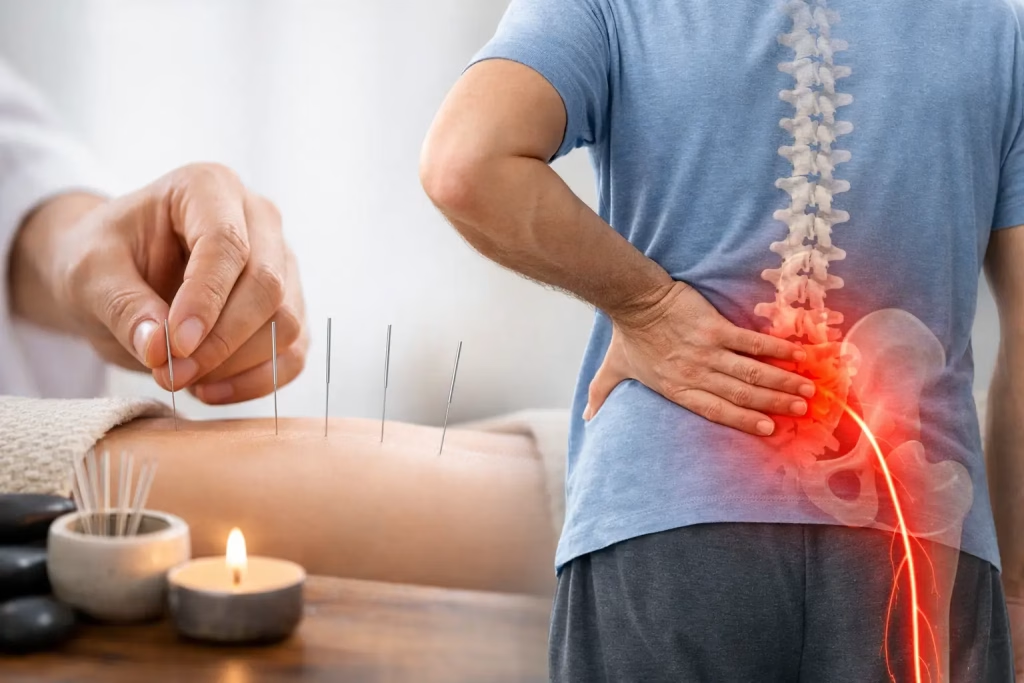
Sciatica can make ordinary parts of the day feel surprisingly difficult. Getting out of the car, standing at the kitchen bench, walking the dog or sleeping comfortably can all become a challenge when pain shoots from the lower back into the buttock or leg. So, is acupuncture good for sciatica? For some people, it can be a useful way to reduce pain and muscle tension, particularly alongside hands-on physiotherapy and a tailored exercise plan. It is not a guaranteed cure, and it is rarely the whole answer.
For adults over 40, the best approach is not simply chasing short-term pain relief. It is finding out what is irritating the nerve, settling the symptoms safely, and rebuilding the confidence and strength to keep moving.
What sciatica actually means
Sciatica is a description of symptoms, not a diagnosis on its own. It refers to pain, tingling, numbness or weakness that follows the path of the sciatic nerve, usually travelling from the lower back or buttock down one leg. Some people feel a sharp, electric pain; others describe burning, pins and needles, or a deep ache in the calf.
The symptoms can occur when a nerve root in the lower back is irritated or compressed. A disc bulge is one possible cause, but it is not the only one. Age-related changes in the spine, narrowing around the nerves, joint irritation, muscle tension and prolonged loading can all play a part. That is why two people with “sciatica” may need very different treatment plans.
A proper assessment matters. The goal is to understand your symptoms, movement, strength and daily limitations rather than relying on a one-size-fits-all label.
Is acupuncture good for sciatica pain?
Acupuncture involves placing very fine needles at specific points in the body. In physiotherapy, it is commonly used to help manage pain, calm protective muscle spasm and make movement feel more comfortable. It may also stimulate the body’s own pain-modulating responses.
Research suggests acupuncture may provide short-term relief for some people with low back pain and sciatica-like symptoms. However, the quality and results of studies vary, and it is difficult to predict exactly who will respond well. Some people notice that their leg pain settles after a few sessions. Others feel little change, or only a temporary improvement.
That does not make acupuncture pointless. Pain relief can create a valuable window to move better, sleep more comfortably and begin exercises that restore strength and mobility. But if acupuncture is used as the only treatment, the underlying factors that keep aggravating the nerve may remain unchanged.
The most sensible view is this: acupuncture can be a helpful tool, but it works best as part of a broader, individualised plan.
When it may be worth considering
Acupuncture may be suitable when pain is making it hard to start moving again, when the muscles around the lower back and hip are very guarded, or when symptoms are disrupting sleep. It can also be an option for people who want a non-medication approach to managing discomfort while they work through rehabilitation.
It is generally not about trying to “put a disc back in place” or instantly release a trapped nerve. Those claims oversimplify a complex problem. A good clinician will be clear about what acupuncture can reasonably do and will check whether it is appropriate for you.
What a treatment session should include
If you are considering acupuncture for sciatica, look for care that starts with an assessment rather than needles straight away. Your physiotherapist should ask when the symptoms began, what positions make them better or worse, whether pain reaches below the knee, and whether you have noticed numbness or weakness.
Needling may be used around the lower back, buttock, hip or leg, depending on your presentation. You may feel a brief prick as the needle is inserted, followed by a dull ache, twitch or heaviness. Most people find the needles tolerable, and treatment is usually followed by advice on positions, walking, pacing and simple exercises.
A useful appointment should leave you with more than passive treatment. You should understand what to do between sessions and what signs would mean the plan needs to change.
Why movement still matters
When sciatic pain flares, it is natural to rest and avoid anything that brings on symptoms. A short period of relative rest can be sensible, especially in the first few days. But staying still for too long often leads to more stiffness, reduced confidence and weaker supporting muscles.
The right amount of movement depends on your symptoms. For one person, regular short walks are ideal. For another, sitting is the main aggravator, so frequent standing breaks and gentle back movements may help. Someone with pain that worsens when walking upright may need a different strategy again.
This is where one-to-one physiotherapy is valuable. A plan may include gentle mobility work, gradually increasing walking tolerance, hip and trunk strengthening, and practical changes to how you sit, lift, garden or train. The aim is not to push through severe nerve pain. It is to steadily improve what your body can tolerate.
Acupuncture can make these steps easier for some people, but the lasting gains usually come from progressing your movement and strength at the right pace.
What else can help settle a flare-up
A sciatica flare does not always need a dramatic solution. Often, a few practical adjustments can reduce irritation while you recover. Avoid remaining in one position for long periods, particularly slumped sitting. Change position regularly and use short, comfortable walks rather than trying to complete a big activity all at once.
Heat can feel soothing for tight muscles, while some people prefer a cold pack during an acute flare. Neither fixes the cause, but both can offer temporary comfort. Over-the-counter pain relief may be appropriate for some people, but it is best to check with your pharmacist or doctor, especially if you take other medication or have ongoing health conditions.
Be cautious with forceful stretching. A strong hamstring stretch, aggressive massage or repeated bending can aggravate some types of sciatic pain. The best exercise is not necessarily the one that feels most intense. It is the one that helps you move with less pain during and after the activity.
When sciatica needs urgent medical attention
Most episodes of sciatica improve without surgery, but certain symptoms need urgent assessment. Seek immediate medical help if you develop new difficulty controlling your bladder or bowels, numbness around the groin or saddle area, or rapidly worsening weakness in the leg or foot.
You should also arrange a prompt assessment for severe unrelenting pain, unexplained weight loss, fever, a history of cancer, significant trauma, or symptoms that are steadily worsening rather than improving. These signs do not automatically mean something serious is wrong, but they should not be managed with acupuncture or exercises alone.
How to decide whether acupuncture is right for you
Ask a straightforward question: will acupuncture be part of a plan that helps me return to the activities I value? If the answer is yes, it may be worth trying. Set a clear measure of success before you begin, such as walking farther, sleeping through the night, sitting through a meeting, or getting back to golf, gardening or the gym.
Review your response after a small number of sessions. If there is no meaningful change in pain, movement or daily function, your treatment should be reassessed rather than continued indefinitely. Good care is responsive. It changes when your symptoms change.
At Growing Younger Physiotherapy, acupuncture is considered alongside a thorough assessment, hands-on treatment and exercise-based rehabilitation, so the focus stays on helping you move with confidence again.
Sciatica can be unsettling, particularly when it interrupts the independence and routines you have worked hard to maintain. The most helpful next step is usually not doing more of everything. It is getting clear guidance, choosing treatments that support your recovery, and taking steady steps back towards the life you enjoy.
